From Kilimanjaro to Somalia: Turning Women’s Land Rights Commitments into Action

“We climbed. We claimed. We continue.”
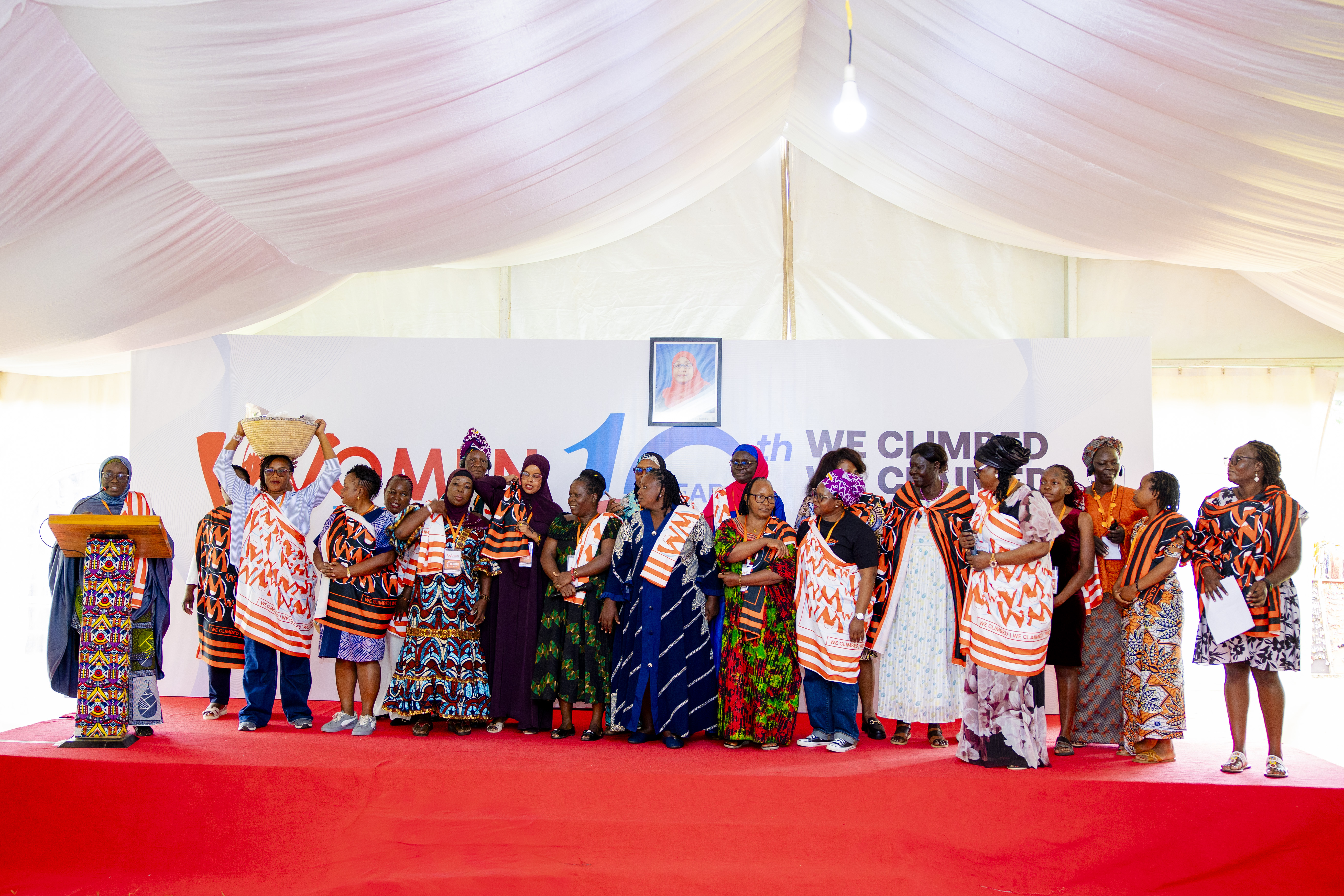
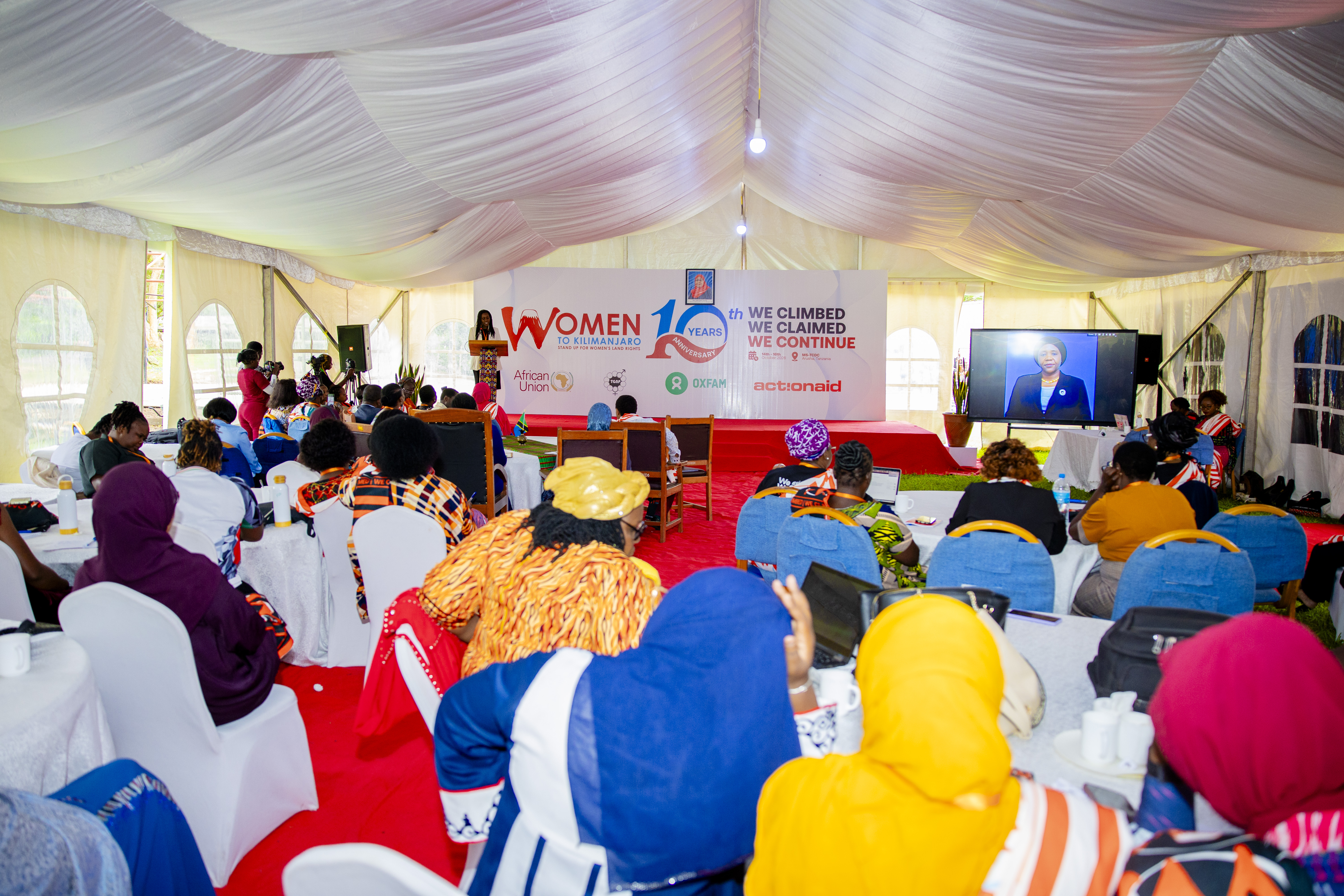
This message captured the determination of women gathered in Arusha, Tanzania, from 14–16 October 2026 to mark the tenth anniversary of the Kilimanjaro Initiative and renew their commitment to women’s land rights.
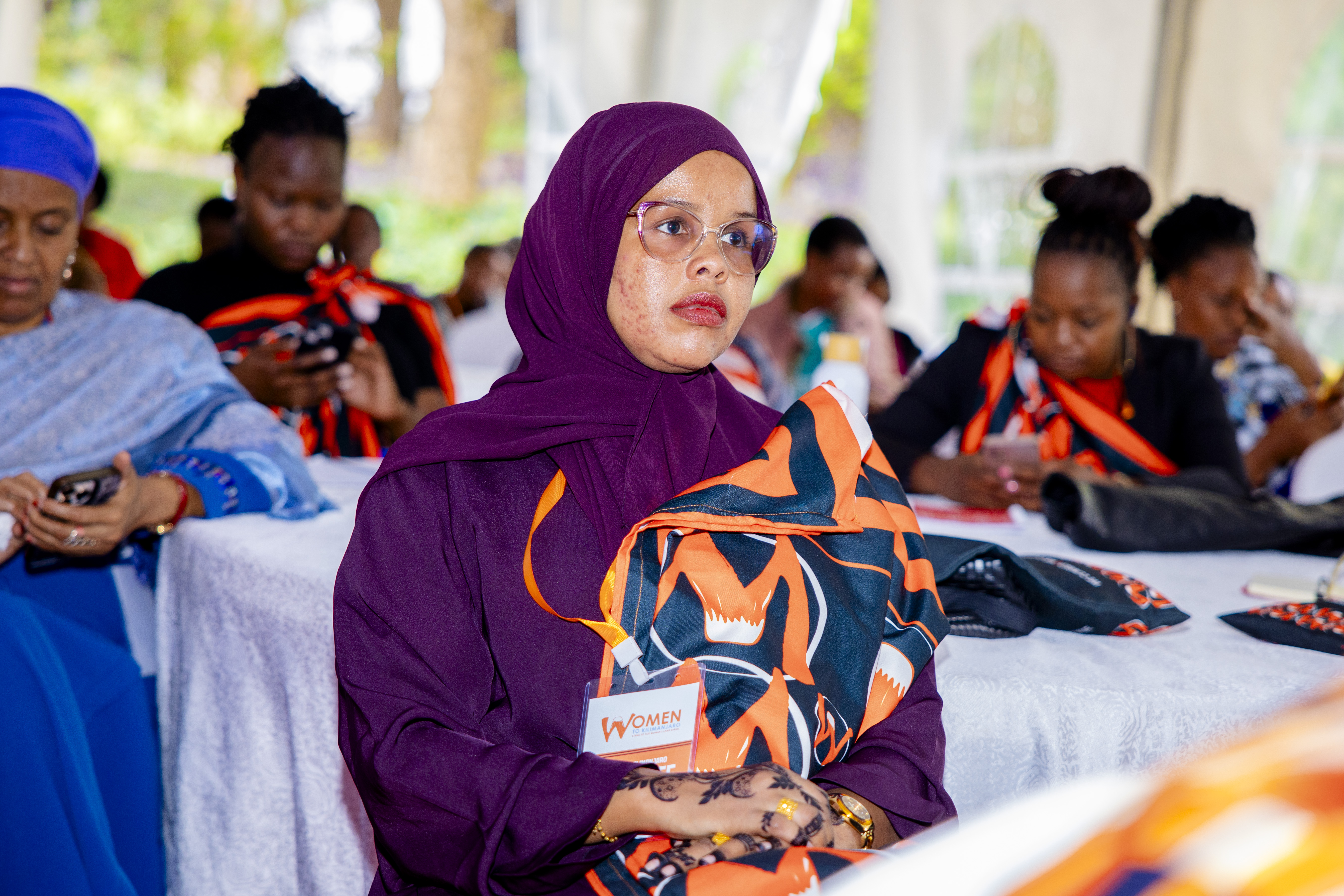
I participated alongside two representatives of the Somali Agriculture Women Association (SAWA), whose participation Oxfam supported. Together, we joined women from across Africa to exchange experiences, reflect on progress and discuss what must happen next.
For Suleeqo Abdullahi Osman, SAWA’s Secretary General, the gathering was an opportunity to bring Somali rural women’s priorities into these discussions. It also reinforced the connections between land rights and the choices women can make about their lives.
“Land rights are not simply about ownership,” she reflected. “They are about dignity, economic independence, food security, resilience, and women’s ability to shape their own futures.”
A decade of collective action
In 2016, more than 400 women from 22 African countries gathered at Kilimanjaro to demand equal rights to land. Their symbolic climb demonstrated their determination to overcome exclusion and influence decisions affecting their land and livelihoods. The resulting Kilimanjaro Charter of Demands set out 15 demands to guide advocacy and hold decision-makers accountable.
Ten years later, the Arusha gathering recognised progress in awareness, women’s participation in decision-making, efforts to address discriminatory practices and opportunities to secure land titles.
Yet the discussions also highlighted how much remains unresolved. Discriminatory practices, inaccessible land registration systems and limited access to justice continue to prevent women from securing their rights. Conflict, displacement and climate pressures place further strain on their livelihoods.
These challenges make the implementation of commitments essential. Women need legal protection they can access, information in languages they understand and institutions that respond to their priorities.
Bringing Somali rural women’s realities into the discussion
Suleeqo wanted participants to understand the contribution Somali women make to agriculture, livestock production, household livelihoods and food security, alongside the barriers they face.
Cultural practices, limited financial resources, inadequate access to legal protection and traditional decision-making structures can restrict women’s ability to access, own and control land.
“My message was clear: women cannot achieve meaningful economic empowerment or contribute fully to food security without secure and equitable access to land and water.”
For SAWA, strengthening these rights is closely connected to improving women farmers’ access to finance, markets, knowledge and productive resources. It also means ensuring that women influence the agricultural policies and programmes that affect their work.
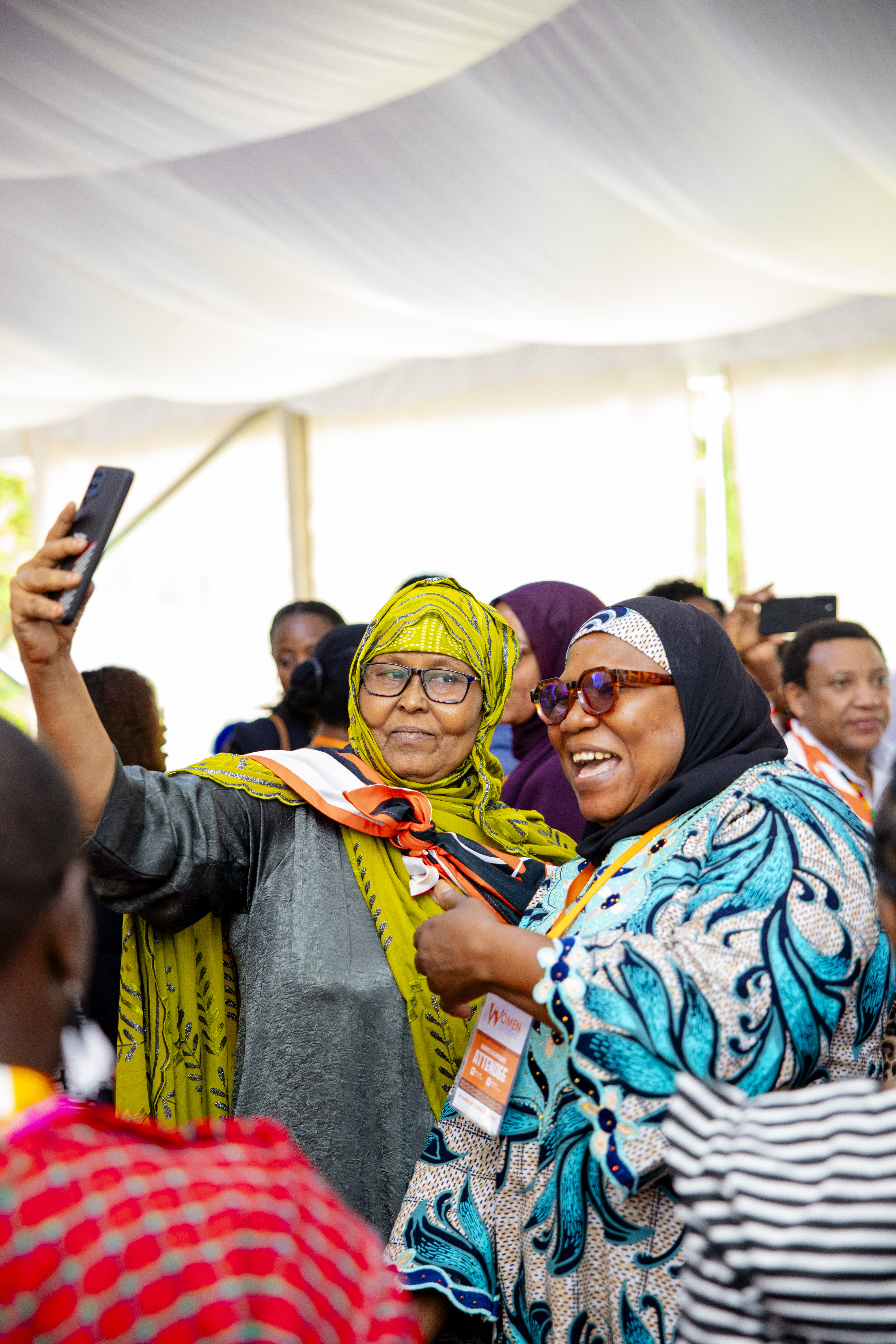
Hearing from women in other countries reinforced Suleeqo’s belief in collective action. She identified opportunities for women’s organisations to exchange practical experience, build partnerships and strengthen their advocacy by learning from one another.
Participation must lead to influence
The gathering provided space for women-led organisations to share their experiences and priorities. Suleeqo’s reflections also raised a question that matters beyond the event: what role will those organisations have in taking the commitments forward?
“Women’s organisations must also be meaningfully involved in the design, implementation, and monitoring of the commitments made,” she said.
This is central to localisation. Organisations working alongside rural women bring knowledge of the barriers women face and the changes they want to see. Their participation should give them influence over priorities, resources and how progress is assessed.
For SAWA, turning commitments into practical change requires stronger institutional partnerships, technical assistance and sustainable funding. Suleeqo also called for investment in women farmers and women-led organisations, including support for climate-resilient agriculture and better access to markets, finance and technologies.
These priorities give partners such as Oxfam a clear direction for continued collaboration: listen to women-led organisations, support their priorities and help strengthen their ability to lead.
Taking the commitments forward in Somalia
My strongest reflection from Arusha is that women’s land rights are inseparable from gender justice. Secure rights to land affect women’s livelihoods, economic choices and ability to withstand crises. Progress also depends on women having a meaningful say in how resources are governed.
Suleeqo returns with a clear priority: strengthening advocacy for Somali women’s rights to land and water, while ensuring rural women are represented in agricultural policies, programmes, institutions and decision-making.
“I also want to strengthen the collective voice of Somali women farmers so that they are not only beneficiaries of agricultural development, but active leaders in shaping Somalia’s agricultural and food systems.”
For our work in Somalia, this means building on the connections made in Arusha and supporting women’s organisations to carry their priorities forward. The measure of progress will be the changes rural women experience in their access to resources, their livelihoods and their influence over decisions.
We climbed. We claimed. We continue.